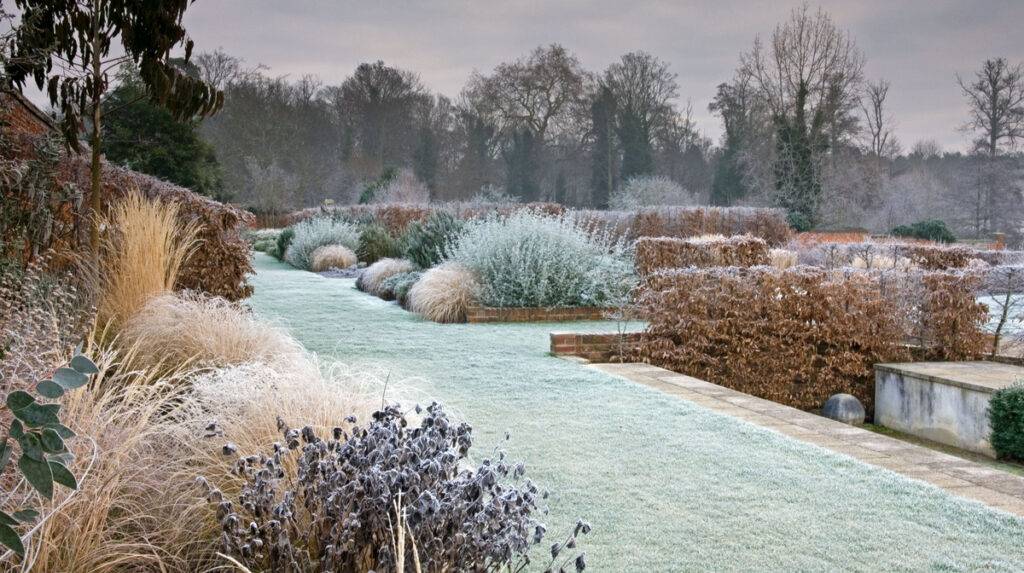
Winter can be tough on lawns and landscapes. Cold temperatures, heavy snow, ice buildup, and strong winds all play a role in how your yard looks once spring arrives. Even though grass and plants appear dormant during winter, they are still affected by environmental conditions that occur throughout the colder months.
Understanding how winter weather impacts your lawn and landscape can help homeowners prepare their yards properly and take the right steps to restore them when warmer weather returns.
Snow and Ice Can Damage Grass
Snow often acts as a protective layer for grass by insulating it from extreme cold. However, when snow becomes compacted or ice forms on the lawn, it can cause problems for the grass underneath.
Heavy snow or ice can limit airflow and trap moisture, which may lead to damaged or weakened grass. Areas where snow piles remain for long periods may develop patchy or discolored spots when the snow melts.
Common winter lawn issues include:
- Grass flattened by heavy snow accumulation
- Patchy or discolored areas after snow melts
- Reduced airflow under compacted snow layers
- Moisture buildup that can weaken grass
These issues often become noticeable once the snow begins to melt in early spring.
Cold Temperatures Slow Lawn Growth
Grass enters a dormant stage during the winter season. While this helps it survive freezing conditions, extended cold temperatures can still stress the lawn.
During dormancy, grass growth stops, and the lawn becomes more fragile. Foot traffic on frozen grass can cause damage because the blades become brittle in low temperatures.
To help protect your lawn during winter, it is important to:
- Avoid walking repeatedly across frozen grass
- Limit heavy objects placed on the lawn
- Keep pathways clear to reduce lawn traffic
Taking these precautions can reduce the risk of lawn damage before spring arrives.
Winter Debris Can Affect Lawn Health
Winter storms often bring strong winds that scatter branches, leaves, and other debris across yards. When debris remains on the lawn for long periods, it can block sunlight and prevent grass from receiving the airflow it needs.
Debris buildup may also create damp areas that encourage lawn disease or uneven grass growth.
Common debris that affects lawns includes:
- Fallen branches from winter storms
- Leftover leaves trapped under snow
- Pine needles or small sticks
- Yard waste blown into landscaping areas
Removing debris once winter ends helps restore the lawn and prepares it for the growing season.
Freeze and Thaw Cycles Impact Soil
Winter weather often includes cycles where temperatures fluctuate above and below freezing. These freeze and thaw cycles cause the soil to expand and contract repeatedly.
When soil shifts during these cycles, it can affect grass roots and landscaping features. In some cases, soil movement can create uneven surfaces or expose roots near the ground.
These conditions may result in:
- Loose soil in certain lawn areas
- Slightly uneven sections of the yard
- Exposed plant roots or shifting mulch beds
Checking the yard carefully in early spring helps identify areas that need repair or attention.
Preparing Your Lawn for Recovery in Spring
Once winter ends, your lawn and landscape will benefit from proper cleanup and maintenance. Spring property cleanup helps remove debris, improve soil conditions, and encourage new grass growth.
With proper care and seasonal maintenance, lawns that experience winter stress can recover and grow strong again during the warmer months.